Make the district recognizable as something shared.
Brand strategy + identity system for Downtown San Diego Partnership
Submitted by Visual Content Agency San Diego + Tijuana Fixed professional fee: $135,000
10-page response + 5 work samples
VCA is pleased to submit this proposal for the Arts + Design District Brand Strategy + Identity System. We understand the assignment as more than a logo. It is the work of helping a district form a clear identity - one people can recognize, participate in, and carry into communications, public space, business activity, art, events, wayfinding, and future improvements.
For 11 years, VCA has helped organizations find their voice and bring their stories to life across identity, film, photography, digital experiences, campaigns, events, and physical environments. Since early 2025, that work has taken place inside City Center itself.
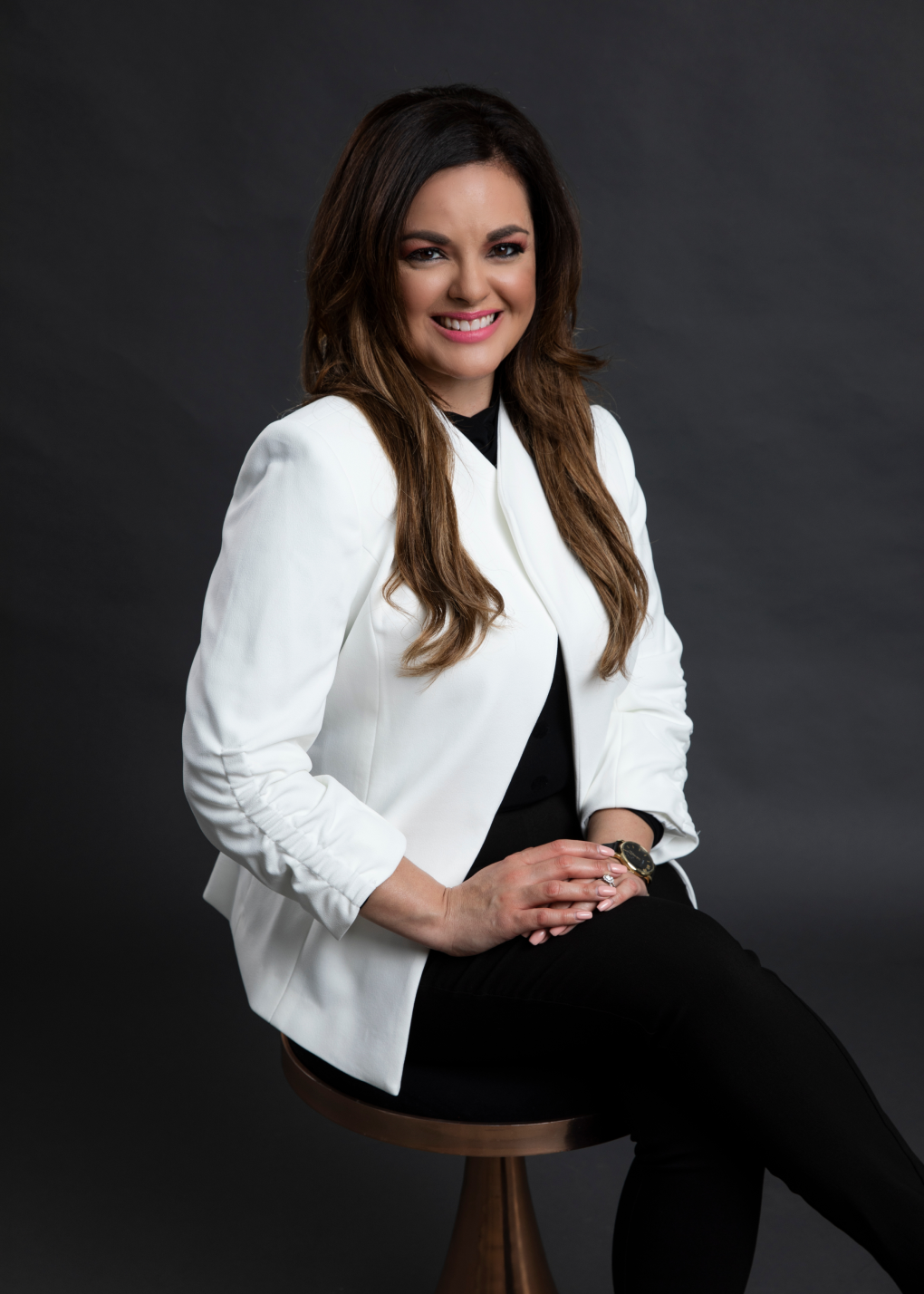
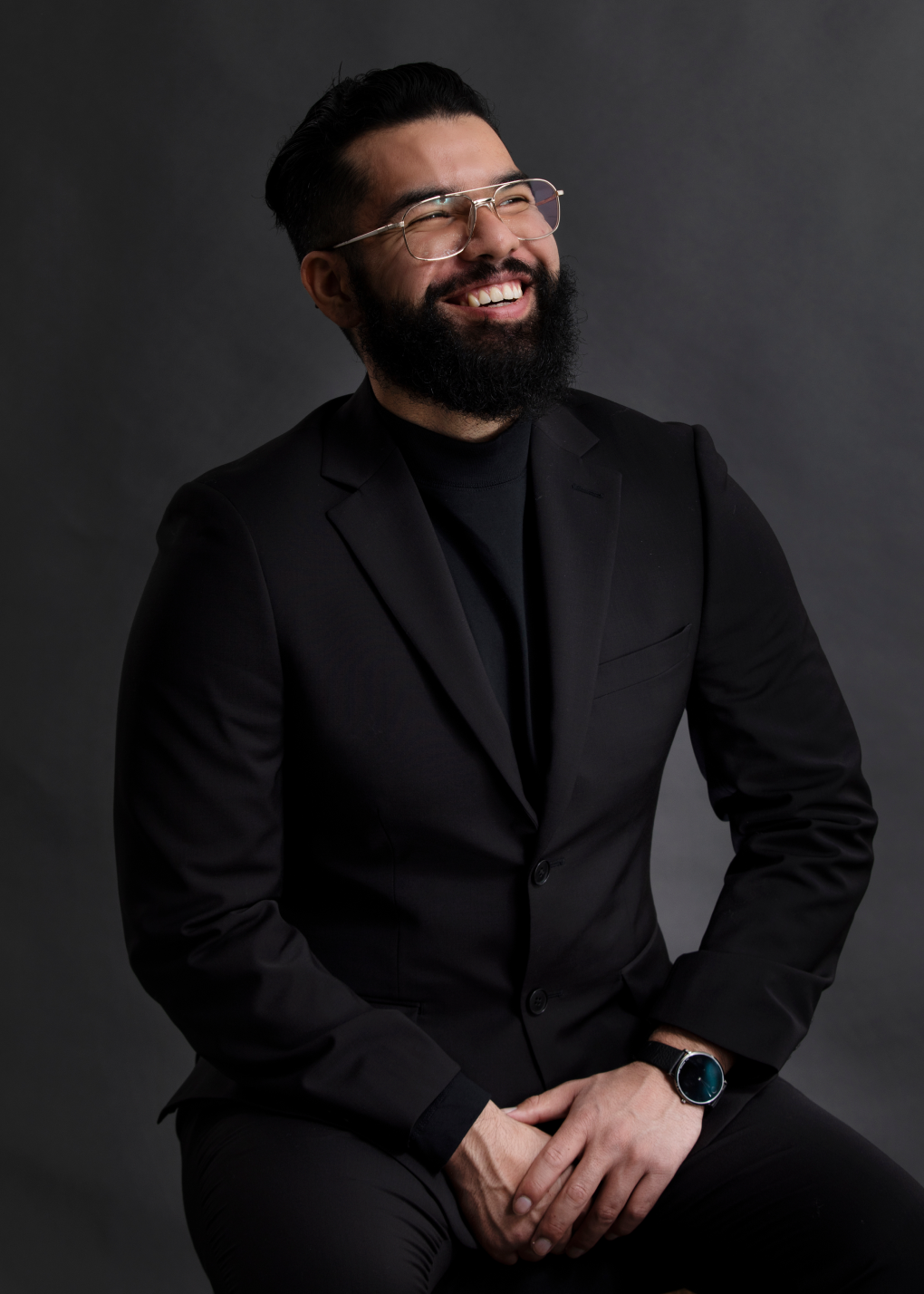
Vincent Apodaca, Co-Founder + CEO Amy Hadrys, Co-Founder + CMO
01 / The opportunityGoal + point of view
From boundary to belonging
A district is not created by drawing a boundary. It forms when people recognize what they share - and know how to participate.
The Arts + Design District already contains many identities: residents and workers, artists and designers, students and educators, business and property owners, civic employees, cultural institutions, visitors, performers, service workers, and people moving through Downtown every day.
Those people and institutions do not yet necessarily experience themselves as participants in one recognizable district. Geography creates the project area. It does not, by itself, create connection, belonging, or a shared invitation.
Our role is neither to invent a culture for the district nor simply reveal a finished identity waiting to be found. It is to listen for what already connects people, help them build what is missing, and translate that work into a distinctive visual and verbal system people can recognize, use, and evolve.
We are not only designing how the district will be seen. We are creating the process, tools, and invitations through which people can recognize themselves as part of it.
Many livesPeople, organizations, buildings, histories, routines, creative practices, and different ways of using Downtown.
Shared signalsDiscovery identifies the connections, tensions, values, and invitations that can credibly hold the district together.
Recognizable systemStrategy, language, and visual identity make the shared idea legible across streets, screens, partners, and public life.
Living identityParticipation, repeated use, and stewardship turn a launch into belonging.
32.7157 N / 117.1611 W
02 / District portraitDiscovery + context review
Who makes this place?
Who makes this place changes throughout the day.
7 in 10
businesses in VCA's preliminary boundary analysis sit on four corridors.
B Street12% since 2021
216
6th Avenue39% since 2021
119
Broadway29% since 2021
117
C Street28% since 2021
43
VCA analysis / 704 records in Downtown City Center Master Directory v2 / 495 on the four corridors / accessed August 13, 2026. Compiled from City of San Diego active Business Tax Certificate records, City Center directory records, and current map listings. Business status remains subject to record-level notes.
District Portrait + Belonging Audit
A concise, decision-ready portrait of the people and conditions the identity must serve.
people + audience portrait
site + daypart observation
anchors + connectors
thresholds + invitation friction
stakeholder evidence
creative implications
The district is not a single audience. It is a changing civic population whose paths overlap across different buildings, corridors, institutions, and hours - often without those people experiencing themselves as participants in the same place.
Overnight
Residents, hospitality workers, and hotel guests inhabit the district while many offices and civic destinations are quiet.
Morning + day
Students, educators, government workers, office employees, operators, court users, residents, and people seeking public services arrive.
Lunch + afternoon
Restaurants, plazas, transit, campuses, appointments, deliveries, and public services create another pattern of movement and gathering.
Evening + events
Performers, audiences, diners, hospitality workers, residents, and visitors change the population again.
From boundary to place
The identity must make the connections between destinations feel like part of the district rather than the gaps between it. Discovery will examine the B/C spine, Fourth/Fifth connections between Horton Plaza and Civic Center, gateways, transit, public spaces, and the routes people experience by day and after dark.
VCA strength in action: Amy frames the inquiry; Klifton connects evidence to culture and positioning; Mario uses documentary practice to capture people and public life; VCA's City Center relationships shorten the distance to credible local evidence.
Evidence before aesthetics
03 / Recommended approachFive decisions + five gates
Work plan
Five decisions move the work from listening to a usable district system.
01 / Sep
Listen + Discover
What is true here?
Materials, maps, downtown brand direction, context, comparable districts, interviews, site observation, District Portrait, and first field engagement.
Build with people - and show how their participation changes the work.
The stakeholder process will be focused enough to protect the schedule and meaningful enough to affect the result. Stakeholders provide evidence, lived experience, needs, and response. VCA synthesizes that input and makes recommendations. DSDP consolidates feedback and remains the final decision-maker.
Up to 12 focused interviews
A balanced mix of district leadership, property and business owners, artists and designers, arts and cultural organizations, educators, community partners, public agencies, residents/community voices, and San Diego-Tijuana participants.
Two focused working engagements
One gathering brings people together around the district's routes, stories, and invitations. A second uses representative applications to test recognition, usability, and belonging before the system is final.
An in-district research encounter integrated, if feasible, with an existing gathering such as Plaza Central. Participatory mapping, short prompts, portraits/headshots, and daily-rhythm questions reveal who is present, where connection occurs, and what invitation is missing. Participants receive something of value rather than being treated only as research subjects.
Working engagement 02
See Yourself Here
After a direction is selected, people encounter emerging applications in context: temporary wayfinding, a map, partner/storefront tools, event graphics, portraits/stories, or quick-turn artifacts. VCA tests whether people recognize the district, understand its invitation, see a place for themselves, and can use the system.
VCA already works where City Center gathers. Engagement design builds on that proximity and trust.
Included professional work: engagement design, facilitation, creative direction, prototype design, on-site leadership, documentation, and synthesis.
Optional engagement extensions: District Perspectives, expanded district portraits/stories, and a public launch activation. Each is scoped separately with its compensation, consent, rights, and hard costs.
Identity begins before the launch
05 / Schedule + governanceCompletion by January 31, 2027
Focused input / protected dates
Clear decisions protect the work - and the deadline.
Workstream
Sep
Oct
Nov
Dec
Jan
Listen + Discover
Define + Position
Explore + Create
Apply + Test
Equip + Activate
Late Sep Discovery alignment
Late Oct Strategy approval
Dec 1 Initial concept direction
Dec 31 Substantive final delivery
Jan 31 Acceptance + closeout
Decision rights
StakeholdersProvide evidence, lived experience, and response.
Arts + Design CommitteeAdvises on strategy and creative direction.
DSDP Core TeamCoordinates participation and delivers one consolidated response per gate.
VCASynthesizes evidence, recommends, and executes the approved direction.
DSDPProvides final approval.
Controls for predictable delivery
Parallel downtown rebrand: compatibility checkpoints at strategy and identity gates.
Holiday approvals: critical direction decisions before holiday weeks.
Fragmented feedback: one consolidated written response and decision log.
Scope boundary: conceptual applications only; fabrication and production separated.
Representation: consent, credit, compensation where appropriate, and visible chain of influence.
Review assumption: two revision rounds on strategy, two on visual identity, one on the final package; consolidated feedback within five business days. Longer response times move downstream dates day for day.
Strategy / direction / system / handoff
06 / Final deliverablesRFP-aligned handoff
Designed for use + adoption
The identity must work across streets, screens, partners, and public life.
Brand strategy
Final strategy summary
Positioning + purpose
Brand narrative + core story
Audience framework + invitations
Personality + tone
Messaging framework + key messages
Creative brief + identity criteria
Visual + verbal system
Logo/wordmark formats, colors + lockups
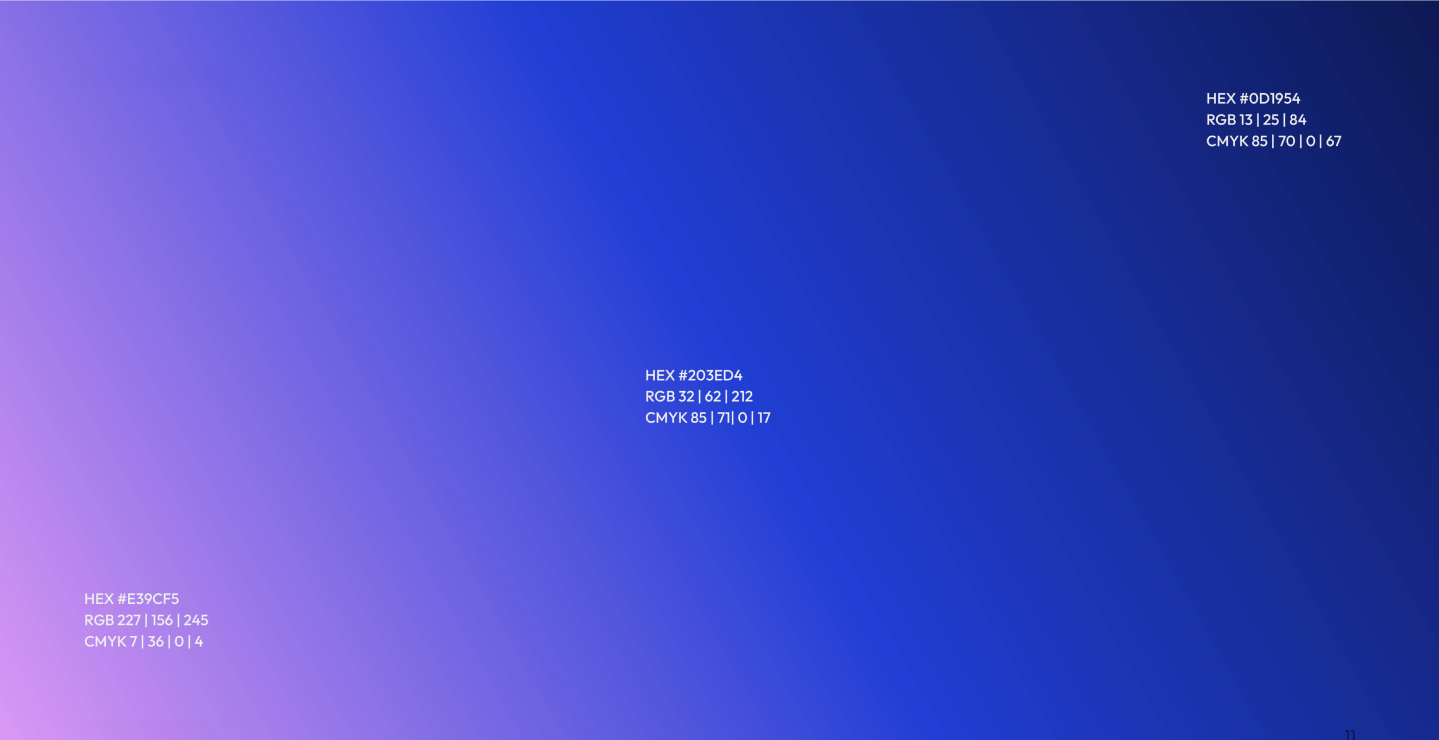
Color + typography specifications
Graphic language + flexible assets
Photography + illustration direction
Messaging + tone guidance
Accessible digital and physical use principles
Applications + toolkit
Gateways, signage + wayfinding
District map + street banners
Event + social/digital templates
Storefront + partner examples
Public-art integration concepts
Lighting/underpass/public-realm concepts
Editable templates + co-branding
Handoff + roadmap
Designer + non-designer guidelines
Partner-use and accessibility guidance
Packaged editable source + standard-use files
Priorities + sequencing
Ownership + stewardship
Budget bands + dependencies
Measures + future partner coordination
Identity Adoption + Social Integration Framework
The visual system makes the district recognizable. The adoption strategy makes it socially meaningful. VCA will provide repeatable ways for people and partners to encounter, use, contribute to, and steward the identity after the reveal.
adoption pathway + indicators
micro-activation concepts
portrait/headshot encounter
pins, cards + quick-turn artifacts
artist/story features
partner + storefront participation
consent, credit + contribution rules
learning loop + implementation brief
Roadmap recommendations will be calibrated to DSDP's anticipated first-year implementation budget of up to $125,000. Application work in this scope is conceptual and directional.
Recognizable / usable / shareable / stewarded
07 / Project teamSan Diego + Tijuana
Different perspectives / one shared vision
Five senior practitioners. One accountable team.
Amy Hadrys / Project lead + strategyVincent Apodaca / Creative lead
Amy Hadrys
Co-Founder + CMO / Director of Strategy. Leads discovery, stakeholder process, positioning, audience invitations, narrative, messaging, and implementation/adoption planning. Built digital and global strategy for ASICS America and directs West Pak's global brand voice.
Vincent Apodaca
Co-Founder + CEO / Creative Director. Owns creative quality from identity direction through applications and final system integrity across visual identity, film, photography, digital, and physical expression.
VCA is the single point of contract, direction, and accountability. Strategy, identity, content, environmental application, participation, photography/film, digital communication, and implementation planning stay connected within one senior team.
KS
Klifton Semo
Brand Strategist + Creative Director. Connects culture, community evidence, and audience needs to positioning, identity criteria, and creative evaluation across hospitality, entertainment, technology, and lifestyle.
MJ
Marlen Jaramillo
Design Lead. Brings a binational industrial-design practice and a decade in branding, environmental graphics, print, and visual campaigns for performing-arts organizations to wayfinding, public-realm applications, and partner use.
MG
Mario Genel
Film + Production Lead. Brings 15 years across film, television, and advertising to public-life documentation, narrative development, motion, and production planning, with recognition in the US and Mexico.
Strategy + expression integrated Amy and Klifton turn evidence into decisions; Vincent and Marlen translate them into a coherent system.
Binational by practice San Diego-Tijuana perspective enters participation, cultural review, language, design, and application testing.
Built to live in public Mario and Vincent connect the system to documentary storytelling, events, public life, and ongoing adoption.
Senior leadership stays attached
08 / Relevant experienceAlready inside the district
City Center relationship
VCA is not approaching this district from the outside.
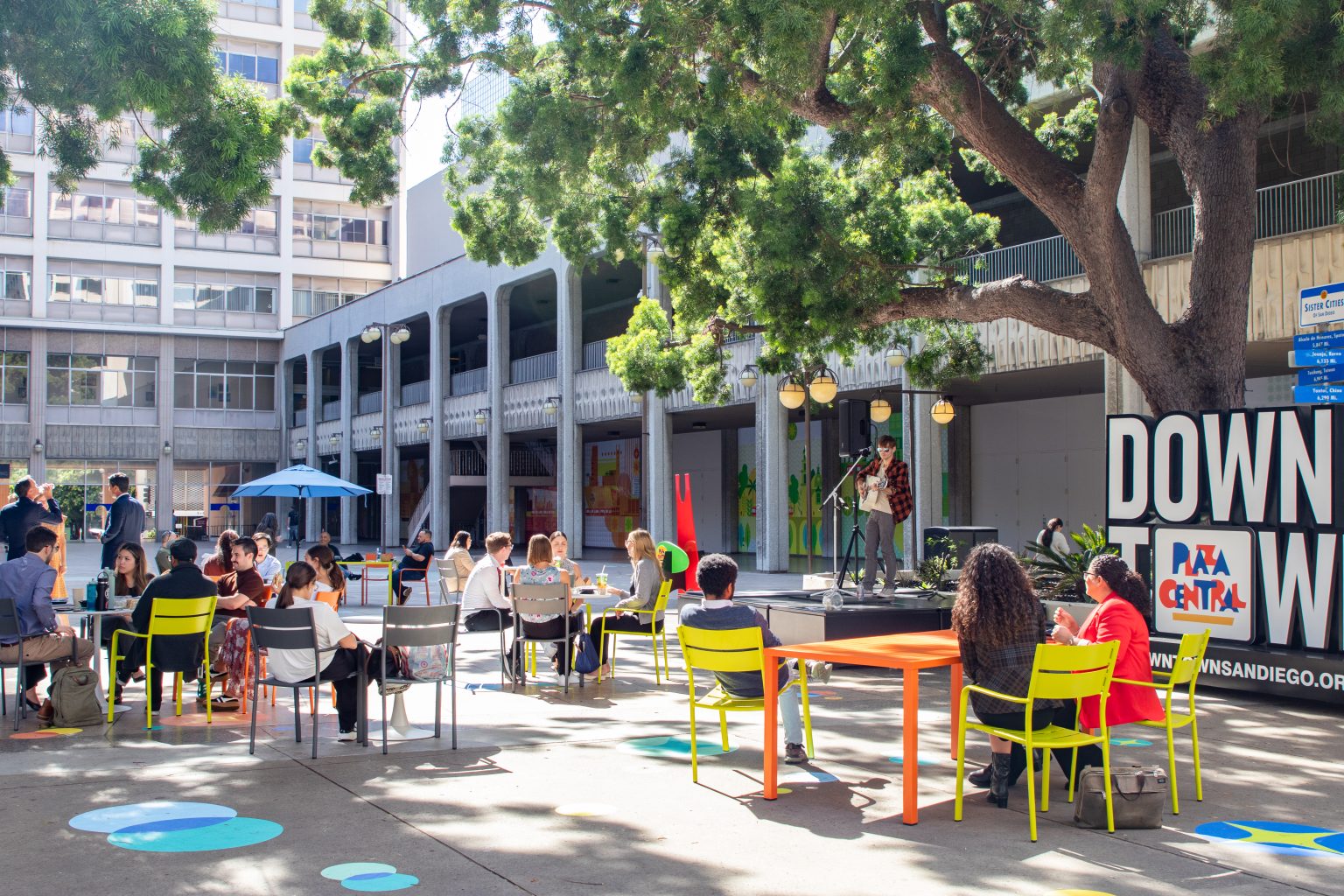
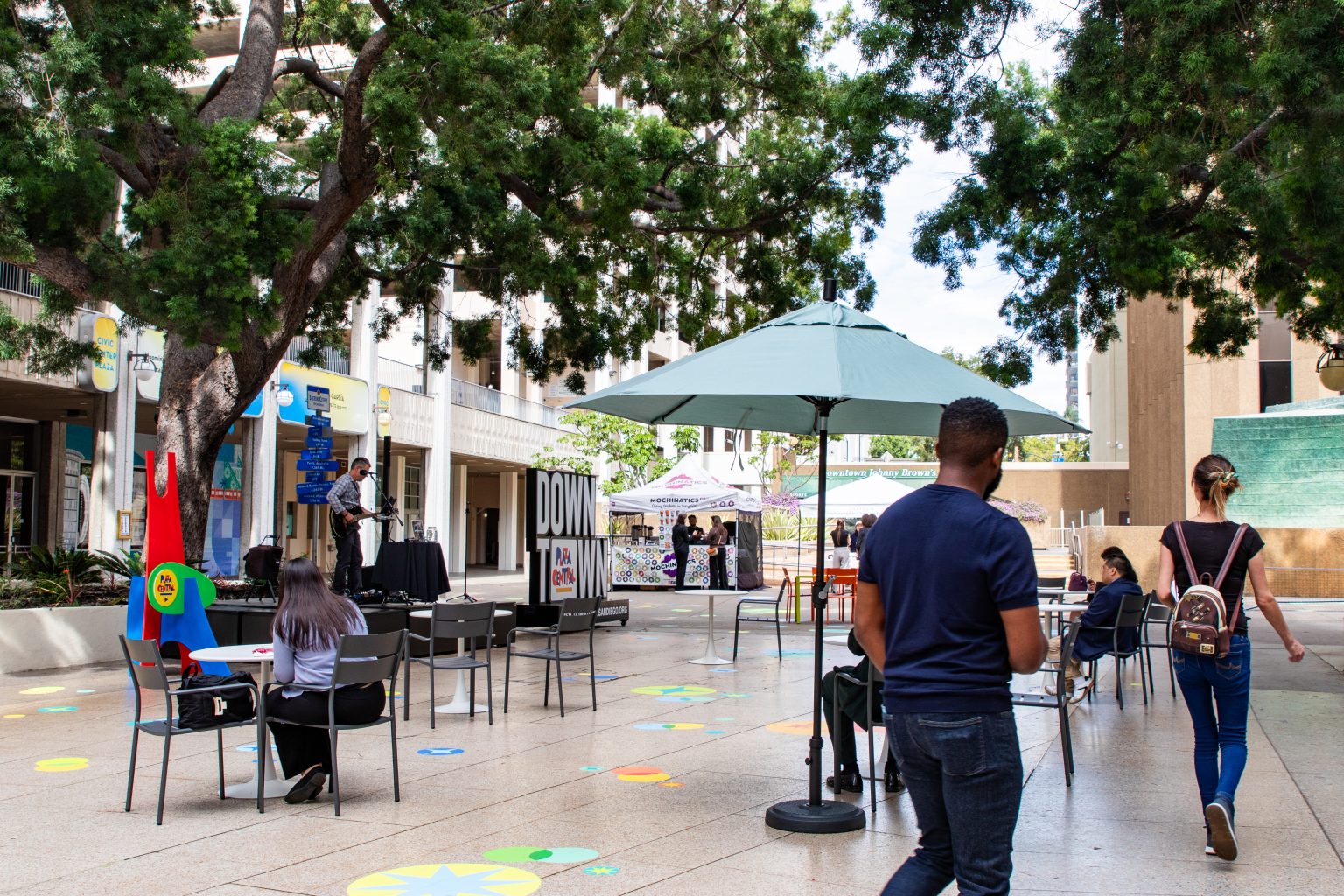
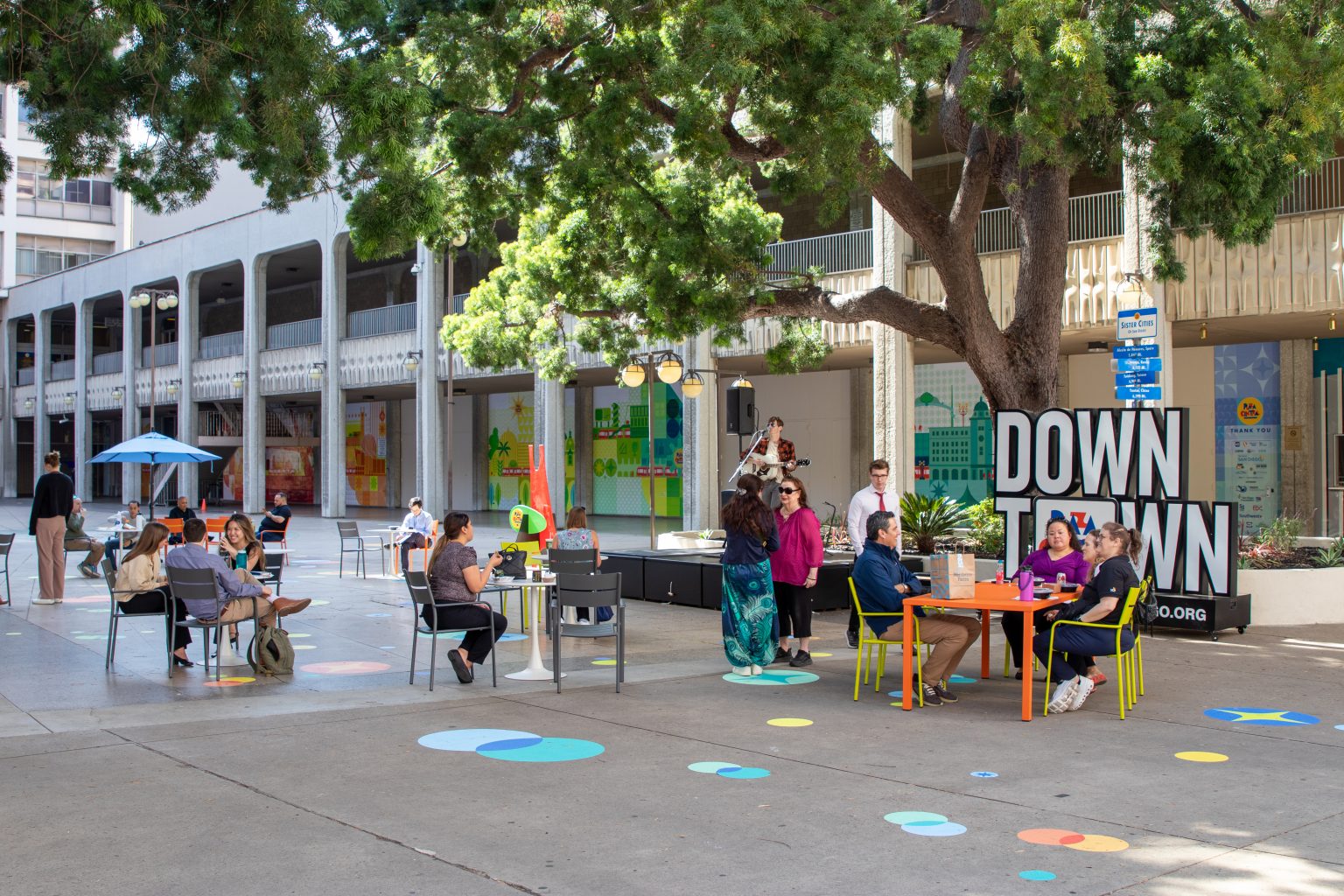
Plaza Central / community activation + visual storytelling / 2026
Since early 2025, VCA's relationship with City Center has expanded from a single event into an ongoing creative partnership across the district.
2025
Stories from inside City Center. VCA produced City Center Champions films featuring The US Grant, House of Blues, and IHT Factor, then created The Heartbeat of San Diego's Creative Community as a film and narrative for City Center's year-end board presentation.
2026
From content to public-life storytelling. VCA supported the Plaza Central launch and expanded into ongoing social and cultural storytelling with businesses, artists, and anchors including NewSchool and House of Blues. The work developed into #POVPlazaCentral, a social-first view of activation, culture, and everyday Downtown life.
At every stage, City Center has chosen to expand VCA's role: from an event to films, from films to a district concept, and from a concept to an ongoing creative partnership.
City Center + Plaza Central Place-based storytelling, relationships, public life.
1904 / Klifton Semo Culture-led creative direction grounded in San Diego.
CounterPulse / Marlen + Ambigua One arts presence that can hold many artists.
West Pak + Just A Breath Away Long-term stewardship and an artist-led invitation.
Listen / document / connect / amplify
09 / Fee + termsWithin RFP budget
Complete system + adoption pathway
$135,000 delivers a complete system - and a plan for putting it to work.
$135K
01 Listen + Discover
$23,500
02 Define + Position
$27,000
03 Explore + Create
$37,500
04 Apply + Test
$26,500
05 Equip + Activate
$16,500
Project administration + QA
$4,000
Total fixed professional fee
$135,000
Working payment schedule
30% / $40,500 at contract; 25% / $33,750 after strategy approval; 25% / $33,750 after creative-direction approval; 20% / $27,000 at final delivery. Net 15. Reconcile with VCA's standard terms before publication.
Our responsibility is not only to create the district's identity, but to give it a meaningful way to enter the world.
Included in the fixed fee
Five-person senior team; all required RFP deliverables; District Portrait + Belonging Audit; up to 12 interviews; two focused working engagements; prototype design/testing; Identity Adoption + Social Integration Framework; two strategy revisions; two identity revisions; and one final-package revision.
Assumptions + dependencies
DSDP provides available plans, maps, downtown-brand direction, stakeholder lists, and existing assets; assists in convening participants; and provides one consolidated written response within five business days at each gate. Substantive delivery occurs December 31, with January reserved for minor revisions and closeout.
Reimbursables + hard costs
Estimated reimbursables: $2,500-$4,000, billed at cost, for approved concept printing/mockups, site documentation, and type/stock licensing. Artist honoraria, merchandise, equipment, venue, catering, permits, security, fabrication, and similar engagement hard costs require a separate approved allowance.
Optional services
District Perspectives commissioned-artist engagement — scoped after discovery
Expanded district portrait/story collection — scoped after discovery
Public launch activation — scoped after identity approval
Spanish-language final deliverables from $8,500
Motion toolkit from $6,500
Brand film/content library from $12,000
Website design from $12,000; development from $15,000
Activation + marketing program from $5,500/month
Core exclusions: paid media, website production, fabrication/installation, construction documents, engineering, permitting, legal trademark review, large-scale public art, ongoing social management, printing/vendor management, and other implementation production. Outside-scope work requires written authorization at $165/hour for senior strategy/creative/design and $150/hour for production/coordination.
Substantive delivery / 12.31.26
Selected work / City Center + Plaza CentralPlace-based storytelling
01
City Center San Diego + Plaza Central
Ongoing partnership since 2025 Community engagement + content
Plaza Central / activation, public life, and everyday creative participation
Uncover and amplify the stories shaping the heart of Downtown.
VCA's partnership with City Center began with a 90-second brand film introducing City Center as the "heartbeat of San Diego's creative community," then moved into on-the-ground storytelling with businesses, cultural institutions, artists, and community voices.
In 2026, the collaboration expanded into #POVPlazaCentral, a social-first platform celebrating live activations, arts, culture, and everyday Downtown life.
Role Strategy, story, film, photography, social content
Team Amy, Vincent, Mario + VCA production
Context Businesses, anchors, artists, public gathering
Proof Work and relationships already inside City Center
We have spent the past year listening to, documenting, and building relationships with the community already shaping this district.
Selected work / CounterPulseArts identity system
02
CounterPulse
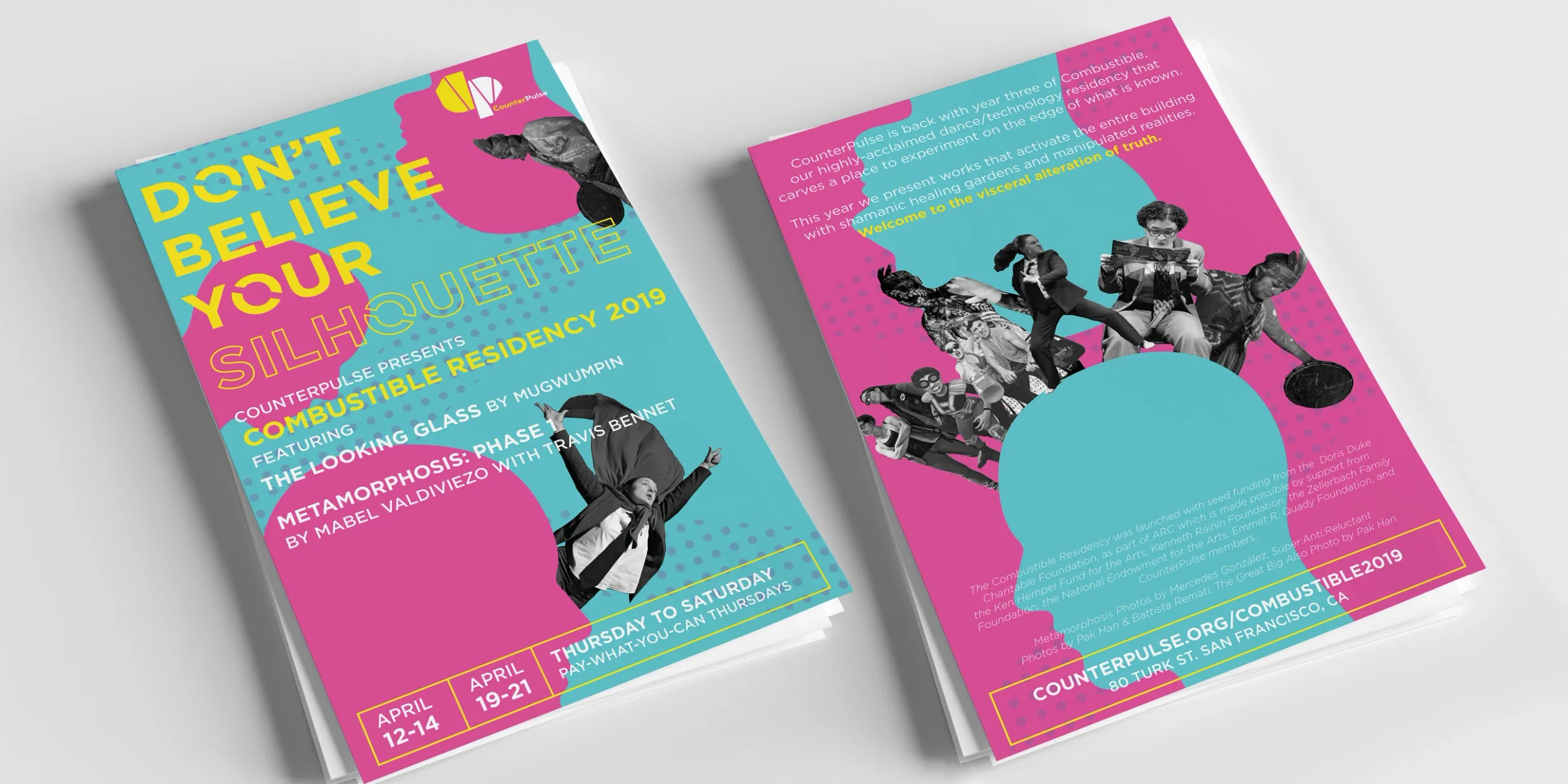
Performance art nonprofit / San Francisco Marlen Jaramillo / Ambigua Creative / 2018-2023
One system. Many artists. No flattening.
CounterPulse supports emerging Bay Area artists and cultural innovators with space, resources, and community for socially engaged art, primarily through performance and dance.
The team translated diverse artistic visions and styles into a cohesive visual identity: a central brand language that could unify seasonal performances and events while preserving the organization's experimental spirit.
Strength Flexible expression within a coherent whole
The same problem this district must solve: one flexible identity that represents many artists at once, without speaking over any of them.
CounterPulse / Combustible Residency 2019 / visual identity in active use
Selected work / Just A Breath Away FoundationIdentity in service of an artist
03
Just A Breath Away Foundation
Creative partner since 2017 Brand identity + digital platform
Build the identity around the voice it exists to amplify.
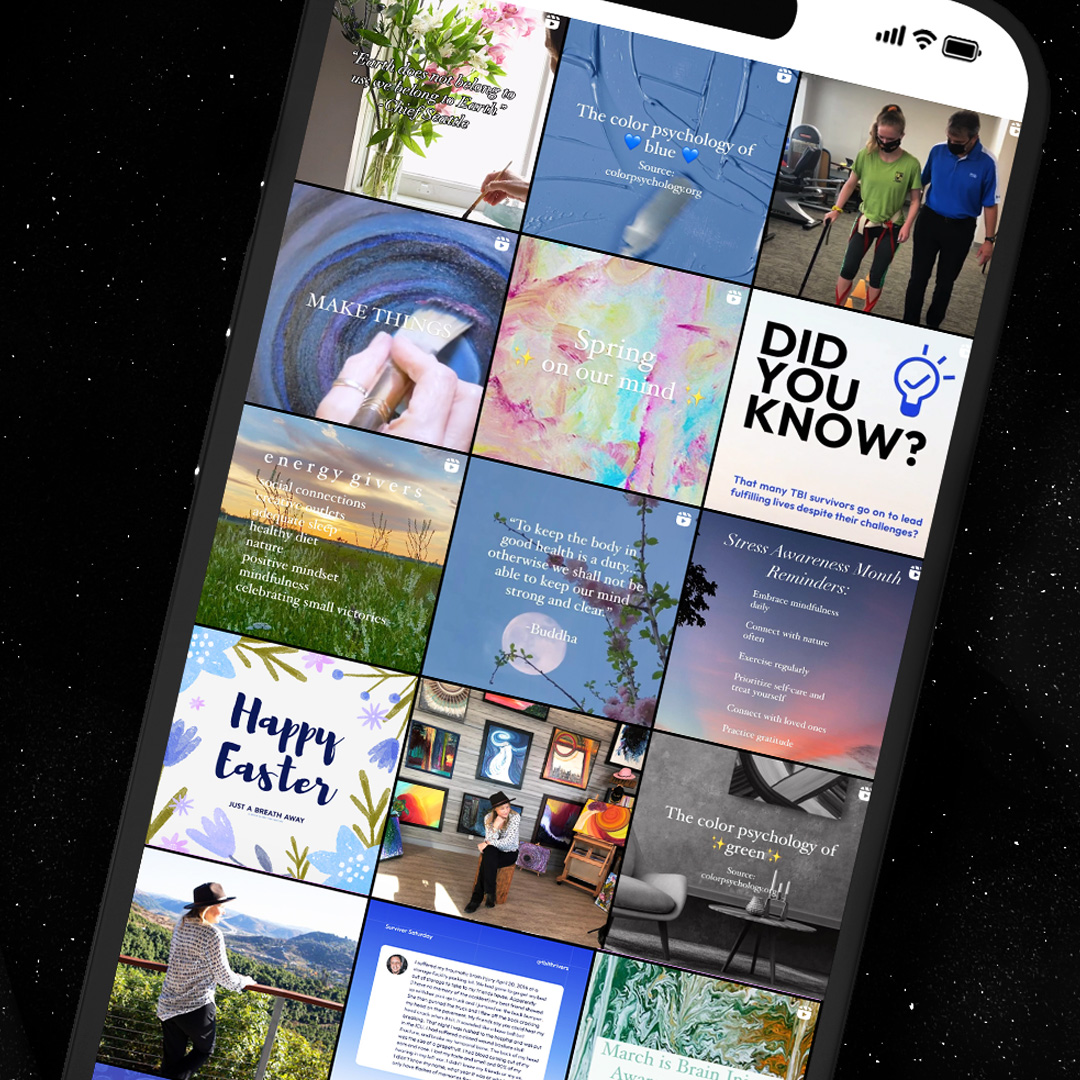
After surviving a severe traumatic brain injury, Kathleen Newhouse discovered an unexpected ability to paint, transforming her recovery into art and a mission to help others.
VCA developed the foundation's identity from the ground up: logo, visual system, color, website and art gallery, brand films, photography, print, apparel, and social.
120+ Original artworks documented
System Identity, web, film, photography, print
Community Survivor-led awareness campaigns
Partner Sharp HealthCare Arts for Healing
A complete identity built in service of an artist: proof that a brand system can amplify creative voices rather than speak over them.
Selected work / AllgireBuilt environment + coalition story
04
Allgire
General Contractors + Foundation Brand strategy + community storytelling / since 2022
Show how buildings become communities.
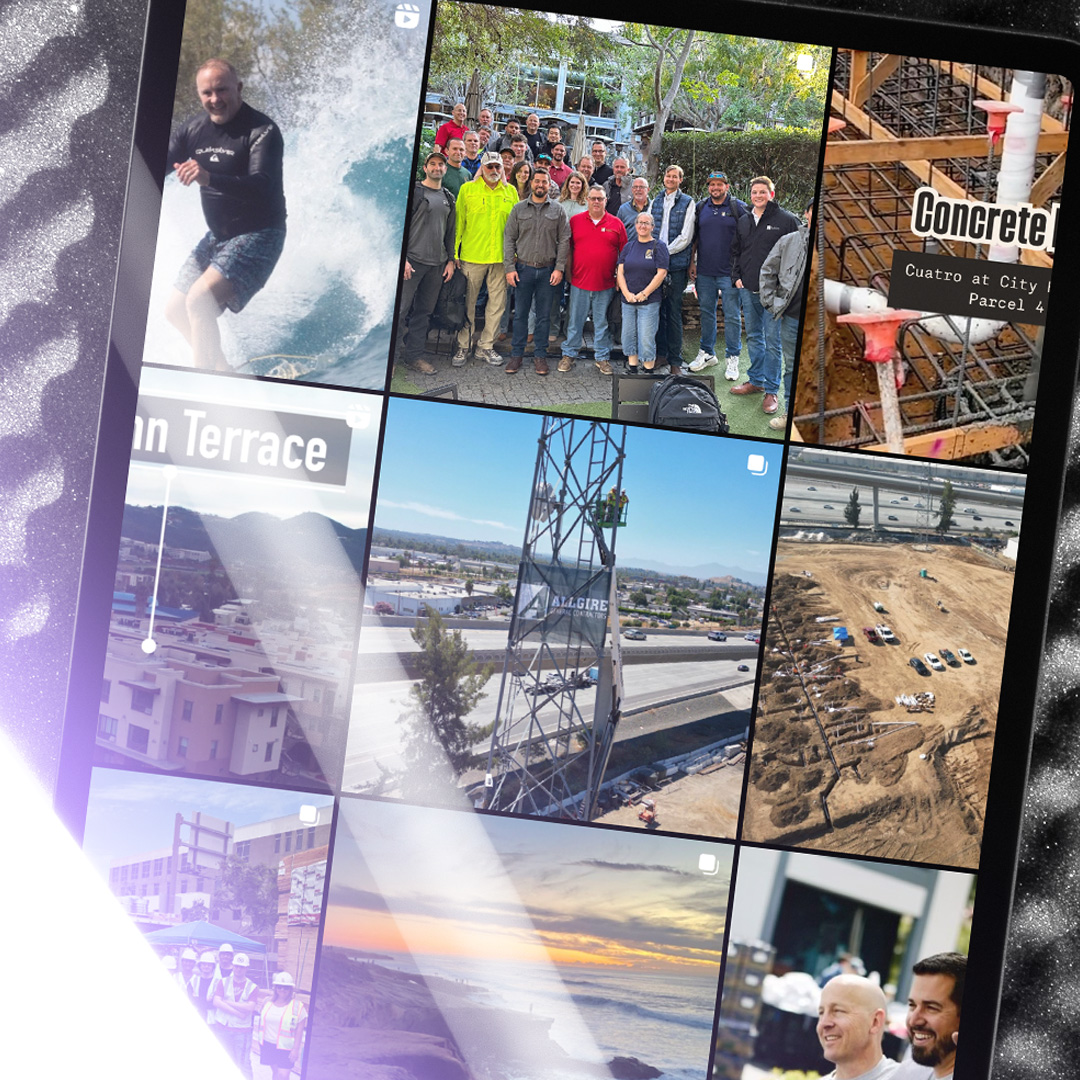
VCA developed an ongoing storytelling strategy connecting a second-generation San Diego builder's people, projects, values, and sister nonprofit through one evolving brand narrative.
The work documents developments from groundbreaking through completion, scholarship and education stories, civic and community partnerships, and Spring Harvest - a major volunteer event serving residents of affordable housing.
2026 platform We Are Allgire: One Allgire. One Story. One Legacy.
Recognition Silver ADDY, 2025
Four years working inside the coalitions of developers, officials, community organizations, and residents who make place together.
Selected work / West Pak AvocadoLong-term brand stewardship
05
West Pak Avocado
Agency of record since 2016 Identity + global voice + environments
A living brand, stewarded across a decade.
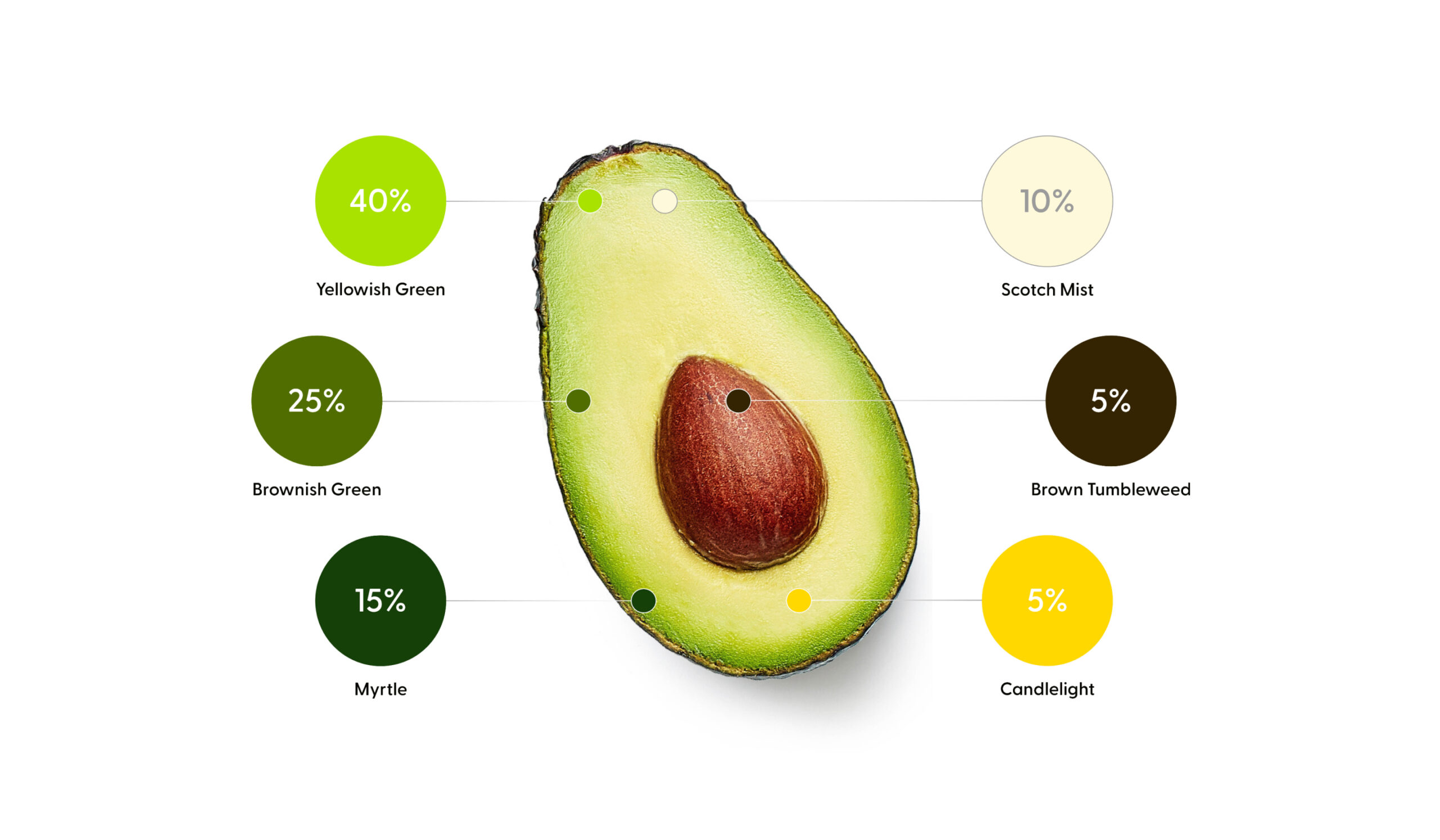
VCA has held the brand of the world's largest privately owned avocado distributor across 20-plus major campaigns and three complete identity systems.
The work spans product lines and country-of-origin storytelling, websites and portals, trade environments, live activations, corporate communications, retail/foodservice audiences, growers, and sourcing communities in Colombia, Mexico, Peru, and Chile.
10 years Ongoing brand stewardship
20+ campaigns Across distinct audiences and channels
3 systems Growing a Ripe Legacy, 40 Years Forward, AVO360
3x Silver American Advertising Awards, 2025
A decade turning one organization's legacy into a living brand across borders, cultures, audiences, screens, and physical space. That is the test a district identity has to pass.